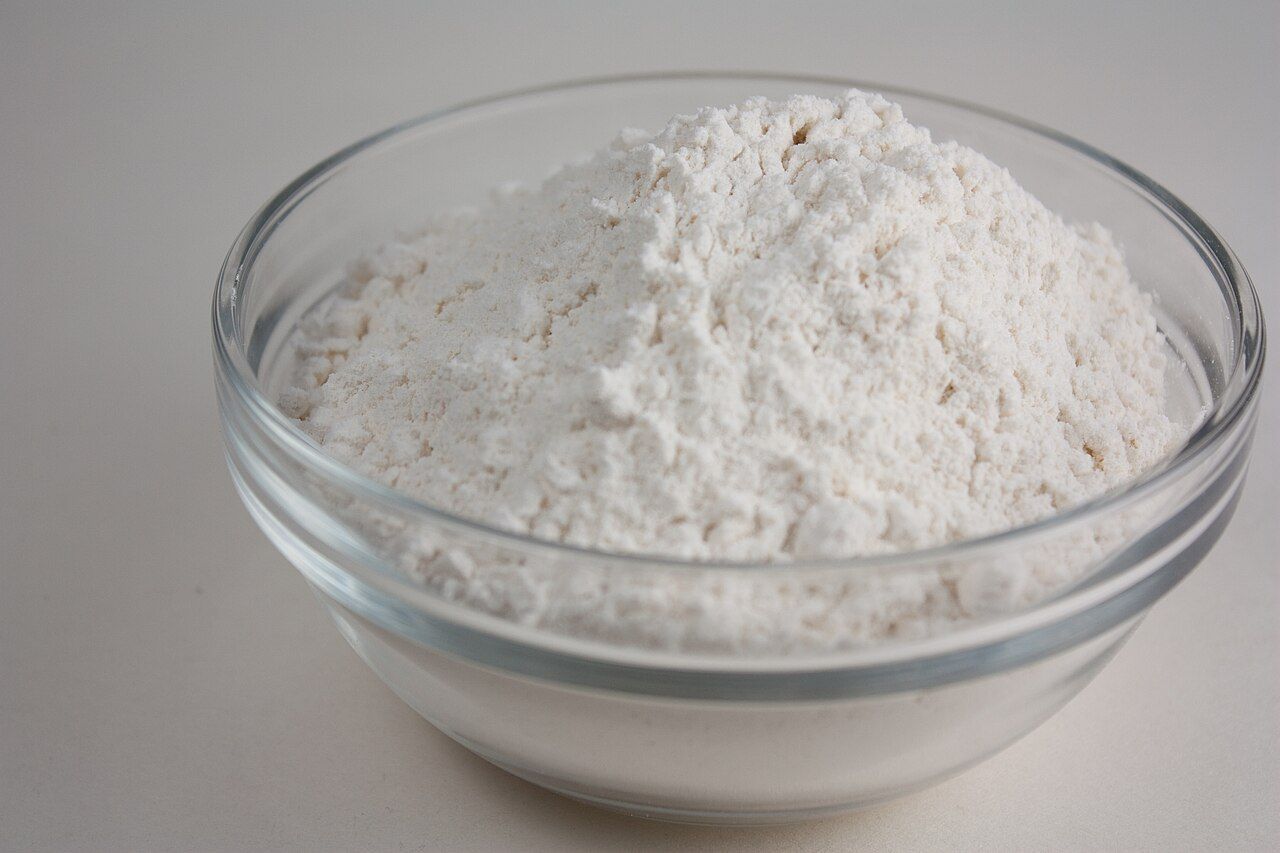
Flour shapes the character of a loaf more than anything else. Two pieces of information on the bag tell you most of what you need: the type number and the protein content.
What does the type number mean?
In Turkey, as in much of continental Europe, wheat flour is sold by type number. The number reflects the ash (mineral) content: the higher it is, the more bran and germ have been left in. The flour gets darker and the flavor stronger.
| Flour | Character | Good for |
|---|---|---|
| Type 550 | White, fine | Pastries, soft rolls and breads |
| Type 650 | Standard bread flour | Pan loaves, village bread, baguette |
| Type 850 | Darker, more flavorful | Village bread, sourdough |
| Whole wheat | The whole grain | Whole wheat bread, blends |
Elsewhere the labels differ. As a rough guide, Type 650 behaves like a bread flour or strong white flour, and Type 550 like an all-purpose flour.
Protein content
The protein figure in the nutrition table is a good clue to how strong the dough will be. Flour with 11–13 g of protein per 100 g suits bread. With less protein the dough struggles to hold gas and the loaf stays flat.
Other flours
- Whole wheat flour: Absorbs more water and makes a heavier dough. Mixing it half and half with white flour makes early attempts easier.
- Rye flour: Has weak gluten and gives dense, moist, slightly sour bread. Even a small amount changes the flavor.
- Heritage wheats such as einkorn and emmer: Strong in flavor, delicate in gluten. They want a short knead and a little less water.
- Cornmeal: Contains no gluten and will not rise on its own. It is used in breads of its own kind, such as cornbread.
Practical advice
If you are starting out, stick to one bread flour. If you change the flour every time, you cannot tell whether a problem came from the dough or from the flour.