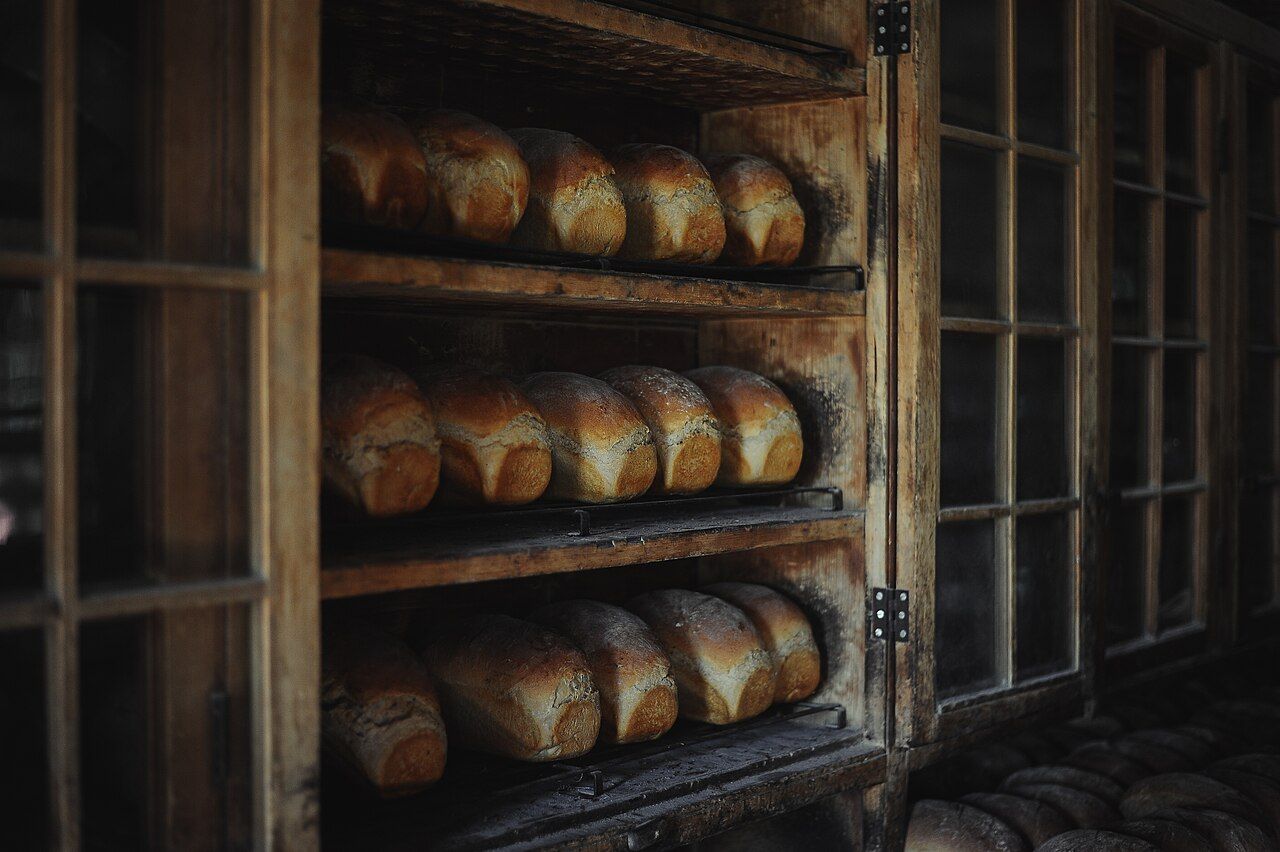
At its simplest, bread is food made by kneading flour with water and baking it. Most breads also include salt and something to make the dough rise. Four ingredients, thousands of breads: the differences come from the type of flour, the amount of water, the length of fermentation and the way the dough is baked.
The four basic ingredients
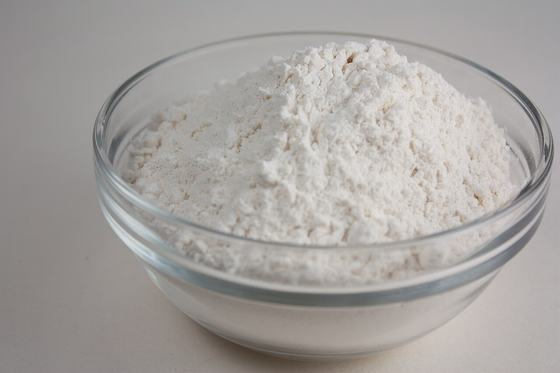
- Flour: The skeleton of the loaf. When the proteins in wheat flour meet water they form a network called gluten, which lets the dough stretch and hold gas.
- Water: Turns flour into dough and wakes up the yeast. The more water, the more open the crumb and the thinner the crust.
- Salt: More than seasoning. It tightens the gluten and keeps fermentation in check. Dough without salt rises fast but tastes flat and holds its shape poorly.
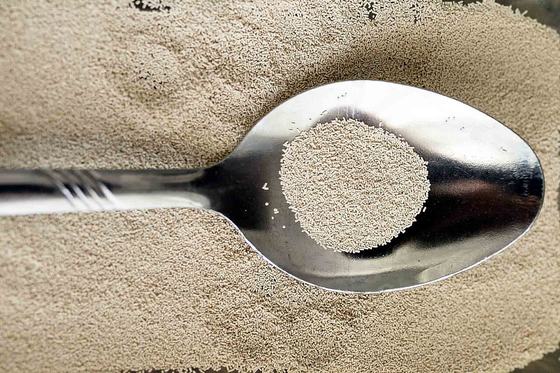
- Yeast: Feeds on the sugars in the dough and gives off carbon dioxide. The gas is trapped in the gluten network and the dough rises.
Leavened and unleavened
Breads fall roughly into two groups:
- Leavened breads: Pan loaves, baguette, sourdough, bazlama, naan.
- Unleavened breads: Yufka, some kinds of lavash, tortilla, matzo. These are rolled thin and bake quickly.
What happens in the oven?
When dough goes into a hot oven it rises one last time, fast, in the first few minutes. Bakers call this oven spring. Then the starch inside sets and fixes the structure, while the surface dries and browns into a crust. Much of the familiar smell of bread comes from that browning.
Learning to bake bread is not memorizing recipes. It is learning to read dough. The rest is repetition.