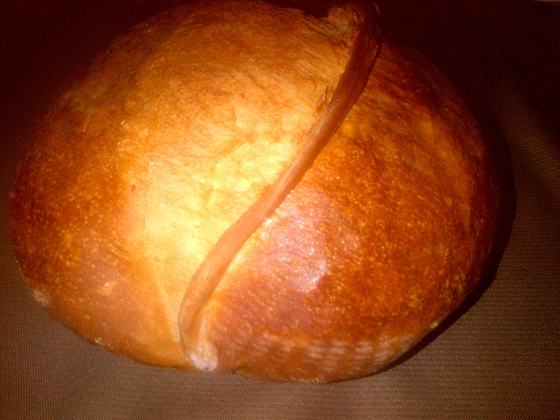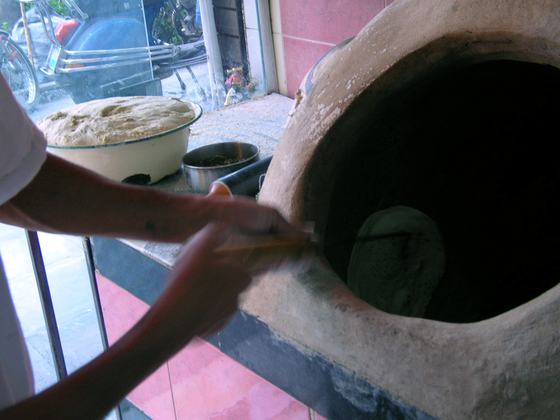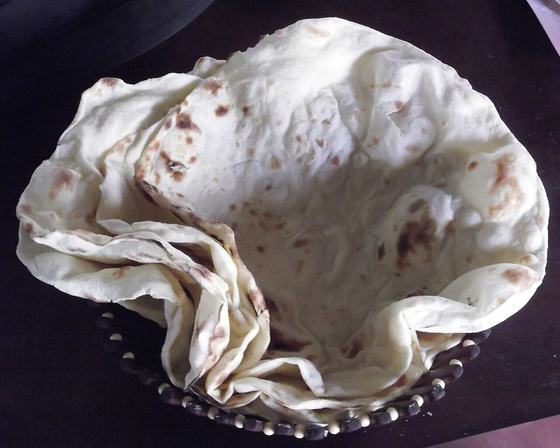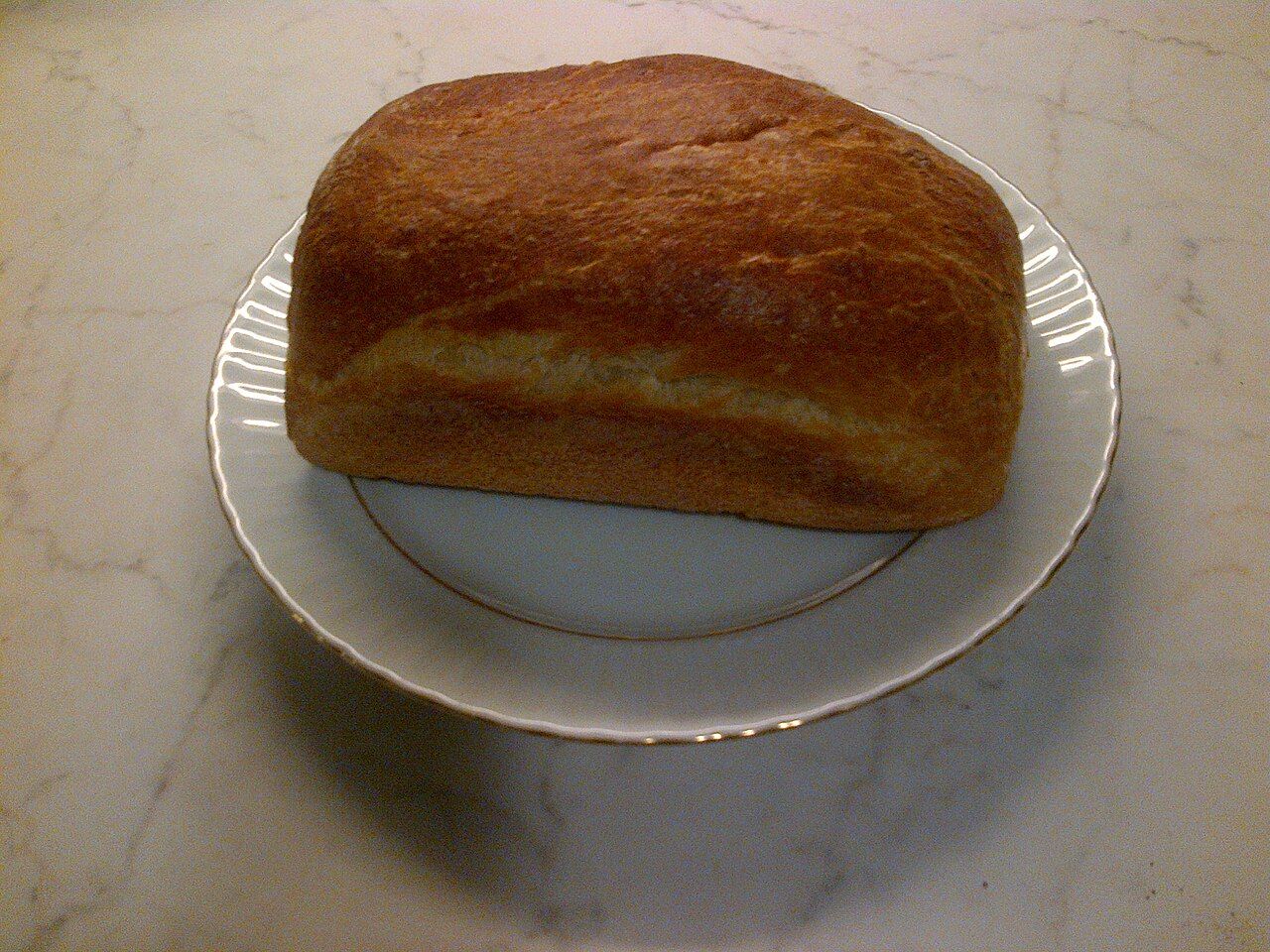
In Turkey "ekmek", bread, is not one thing. The loaf bought from a city bakery, the yufka rolled out over a griddle in a village, the lavash slapped onto the wall of a tandır in the east all go by the same word. The best way to tell the breads apart is by the fire they are baked on.
Four fires, four families of bread
| Fire | How it bakes | Breads |
|---|---|---|
| Stone oven | On the floor of a domed, wood-fired oven | Somun, village bread, pide, Vakfıkebir bread |
| Tandır | Slapped onto the inner wall of a clay oven sunk in the ground | Tandır bread, tandır lavash |
| Sac | On a domed iron sheet set over the fire | Yufka, şepit, sac lavash |
| Pan or flat griddle | On a flat, heavy surface | Bazlama, gözleme doughs |
By region
Black Sea: Trabzon's huge sourdough Vakfıkebir bread, and the cornbread of coastal villages where little wheat grows.
Eastern and Southeastern Anatolia: Tandır bread, thin tandır lavash, and the tırnaklı pide laid under kebabs.
Central Anatolia: Yufka bread, made for the winter and dried, and bazlama. Around Konya, the long, thin dough of etli ekmek.
The Aegean and the Lakes Region: Chickpea-leavened bread, and the thick-crusted sourdough loaves of village ovens.
Marmara and Istanbul: The loaf of the neighborhood bakery, simit, and at Ramadan, pide.
What they share
- A sourdough tradition: Most village breads are leavened with a piece kept back from the previous dough. The leaven passes from neighbor to neighbor and from mother to daughter.
- Baking together: The neighborhood bakery, the village tandır and the communal rolling of yufka turn bread into shared work.
- Designed for keeping: Yufka is dried and stored for months; Vakfıkebir bread does not stale for a week. Where the oven cannot be lit every day, bread is made to last.