- Origin
- Aegean and Lakes Region, Turkey
- Time
- About 24 hours
- Difficulty
- Hard
- Makes
- 1 loaf
Chickpea leaven is a natural leaven, different from sourdough. Crushed chickpeas are left overnight in hot water; the bacteria on the chickpeas multiply and foam, and it is this foamy water that raises the dough. The bread is known around Denizli, Burdur and Isparta; similar breads are made in the Balkans too.
The crumb is close, the crust thin, and the smell sharp and distinctive; those who love it will not swap it for any other bread. A warning: this leaven is temperamental. If the temperature drops, it will not take, and failing on the first attempt is normal.
Method
- Start the leaven. Crush the chickpeas coarsely in a mortar, or in a bag with a rolling pin. Put them in a jar and add the salt and water that is hot but will not burn your hand. Wrap the jar in a towel and leave in a warm place for 12–16 hours. Beside a radiator or in an oven with the light on works well.
- Check. If a thick layer of foam has formed on top and there is a sharp smell, the leaven has taken. If there is no foam, do not go on to the dough.
- Make the sponge. Strain off the liquid; with its foam you will have about 250 g. Mix it with 150 g flour into a thick batter. Leave in a warm place for 2–3 hours, until risen and full of holes.
- Knead the main dough. Add the remaining flour, the salt and the lukewarm water to the sponge. Add the water a little at a time; the dough should be of medium firmness. Knead for 8–10 minutes.
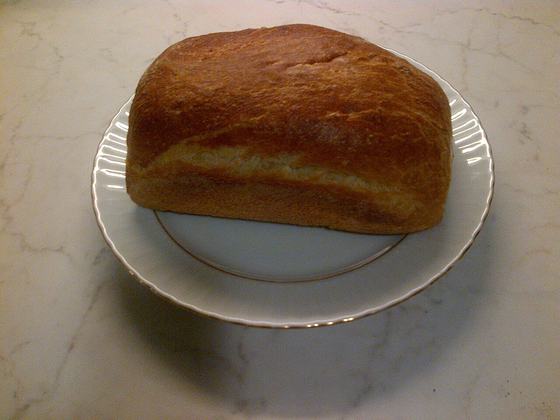
- Shape. Round the dough and place it in a greased tin or on a tray.
- Let it rise. Leave in a warm place for 1.5–2 hours, until clearly risen. This bread is baked after a single rise.
- Bake. Bake at 200 °C (400 °F) for 40–45 minutes.
Tips
- Temperature decides everything at every stage. This bread will not work in a cool kitchen.
- The smell fades a great deal in baking and turns into a pleasant aroma.
- If there is a foul, rotten smell or colored mold, do not use the leaven.