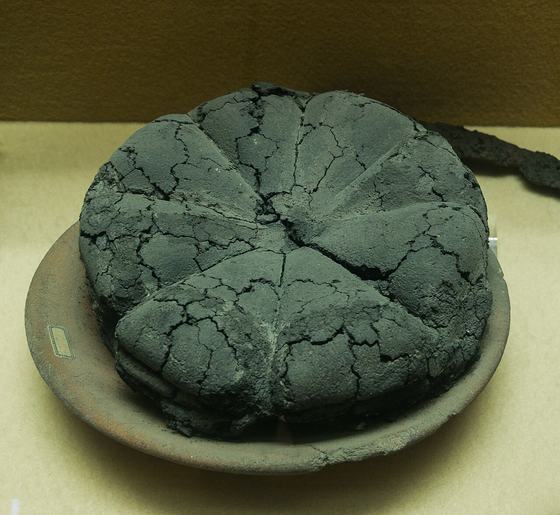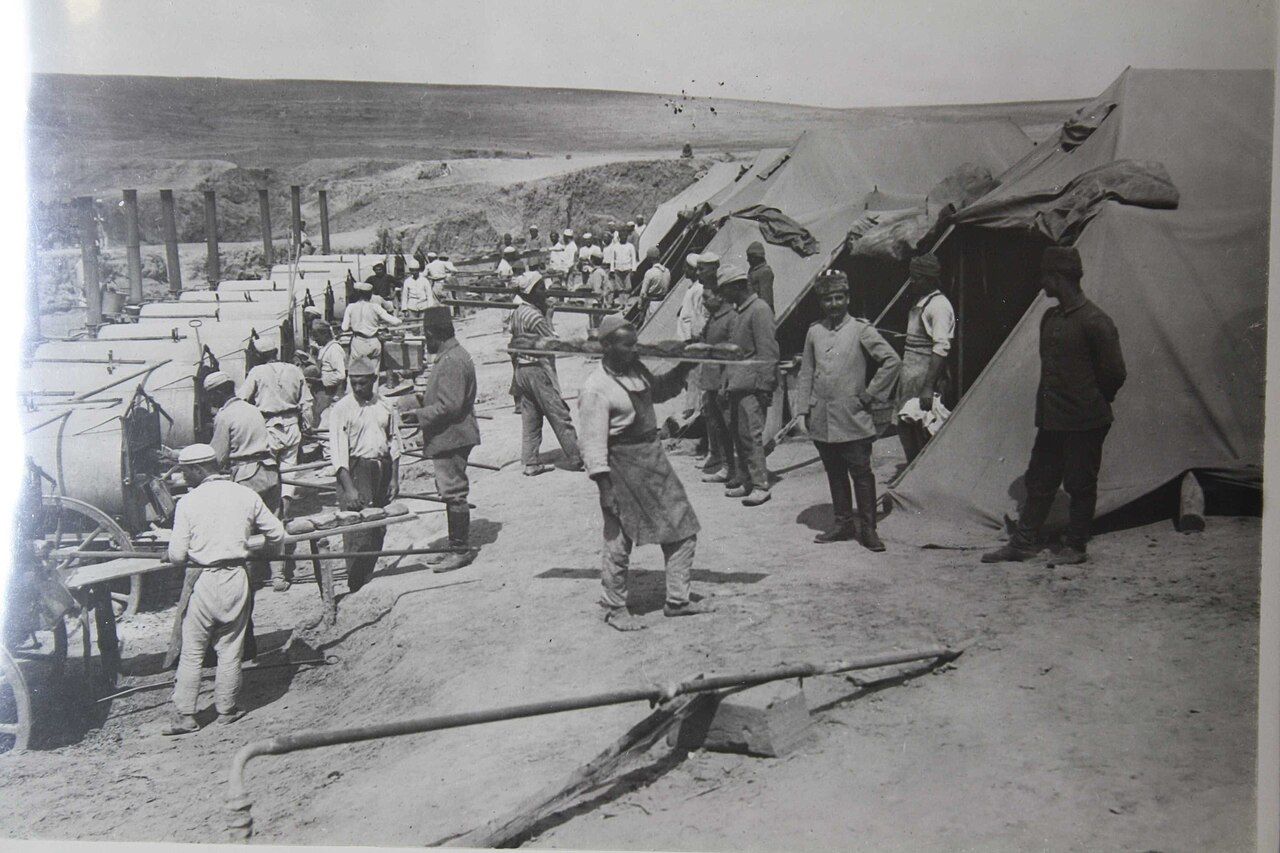
The Ottomans called bread nân-ı aziz, "the cherished bread". Bread was the staple of the people, so both its production and its price were under the close watch of the state.
Price fixing and inspection
The price of bread was set by a system called narh. The kadı, the local judge, looked at the day's wheat price and announced the price and weight of bread. Most often the price was held steady and the weight of the loaf was reduced when wheat grew dear. The muhtesip, the market inspector, went round the bakeries and punished any baker who gave short weight or used bad flour.
The Bursa regulations of 1502
The Bursa market regulations issued under Bayezid II describe in detail how bread was to be made: that the flour must be clean, that the bread must be well baked, how many loaves a given quantity of flour should yield. The text is often cited as one of the world's earliest food standards.
Kinds of bread
- Has ekmek (nân-ı has): Made from finely sifted white flour, it went to the palace and to wealthy households.
- Fodula: A flat, pide-like bread. It was handed out at the public kitchens to the poor, to madrasa students and to the janissaries.
- Somun: The everyday loaf of the people.
- Çörek, simit, halka: Carried from street to street on the trays of pedlars.
The wheat needed for Istanbul's bread came by ship from the Black Sea coast, Thrace and Egypt. It was weighed at Unkapanı, "the flour exchange", and distributed to the bakers. The district still carries that name.
The bakers' guild
Bakers, like other tradesmen, worked within a guild system. Opening a bakery required a permit, and a baker had to keep a set number of days' flour in stock, so that the city would never be left without bread.
Public kitchens and sharing
At the imaret, the public kitchens run by charitable foundations, soup and bread were given out to hundreds of people every day. The tradition of sharing bread lives on today in the practice of askıda ekmek, "bread on the hook": bread culture and traditions.