- Origin
- Bosnia and Herzegovina
- Time
- About 3 hours
- Difficulty
- Medium
- Makes
- 4 breads
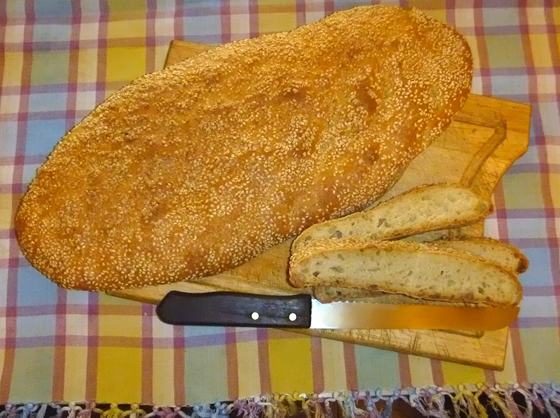
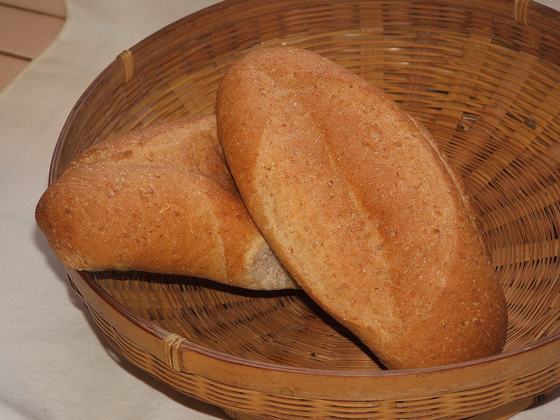
In the grill houses of Baščaršija, the old bazaar of Sarajevo, ćevapi arrive inside a hot somun split in two. In Bosnia this bread is called somun, in Serbia and Croatia lepinja. Both the name and the bread are an Ottoman legacy.
It resembles pide but is thicker and round. It is made from a very wet dough and baked in a very hot oven; the inside fills with large holes and opens like a pocket. The crosshatch pattern on top is pressed in with a wooden stick or the back of a knife before it goes into the oven. During Ramadan it is sprinkled with nigella seeds.
Method
- Mix the dough. Mix all the ingredients. The dough is very soft; instead of kneading, fold it three times at 30-minute intervals.
- Let it rise. Leave for 1.5–2 hours in all, until doubled in volume.
- Divide. On a generously floured counter, divide the dough in four and round gently. Rest for 20 minutes.
- Spread. Spread each piece by hand to 15 cm (6 in) across and two fingers thick. Do not knock all the gas out.
- Mark the pattern. Press crosshatched lines into the top with the back of a knife. Leave for 15 minutes.
- Bake. Heat the oven, with its tray inside, as high as it goes, to 250 °C (480 °F). Move the breads onto the hot tray and bake for 8–10 minutes, until puffed and lightly colored.
- Wrap. Wrap in a cloth as soon as they come out, so they stay soft.
Tip
If the oven is not hot enough, the inside does not hollow out and the bread turns into an ordinary flatbread.